Master Vintage: A Timeless Font for Modern Design
Imagine a design that instantly transports your audience to another era, evoking the charm of classic signage and the elegance of handcrafted typography. That's the power a well-chosen retro display font like Master Vintage can bring to your creative projects. It's more than just a typeface; it's a visual storytelling tool that bridges the gap between nostalgic appeal and contemporary design standards.
Understanding the Role of Retro Typography
In today's saturated visual landscape, standing out requires more than just good content—it demands memorable presentation. Typography is a fundamental pillar of graphic design, directly influencing readability, mood, and brand perception. A bold, vintage-inspired script font serves a specific purpose: it injects personality, authenticity, and a strong visual hook into designs where a standard sans-serif might fall flat.
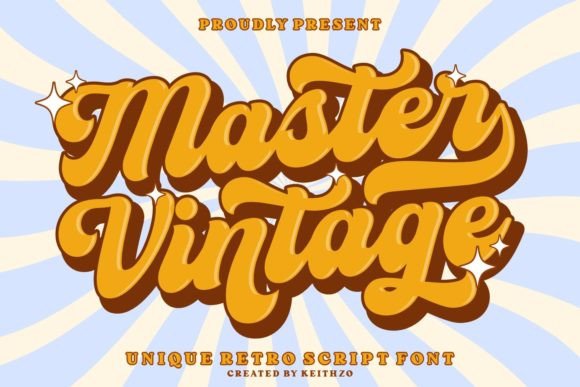
Master Vintage, with its bold strokes and carefully crafted letterforms, is designed to capture that essence. It provides designers with a creative asset that feels both familiar and fresh, making it ideal for projects that need to communicate heritage, craftsmanship, or a distinctive, artisanal quality.
Practical Applications for Impactful Visual Communication
The true value of any design asset lies in its versatility and application. Here’s how a font like Master Vintage can be strategically deployed across various creative domains to enhance visual hierarchy and engagement:
- Branding and Logo Design: Establish a strong brand identity for businesses in the food, beverage, apparel, or lifestyle sectors. A vintage script font can form the cornerstone of a logo, conveying tradition, quality, and authenticity at a glance.
- Marketing Materials: From posters and flyers to banners, use it for headlines and key callouts to create immediate visual interest and draw the eye in crowded marketing collateral.
- Social Media Content: Stand out in fast-scrolling feeds. Use the font for quote graphics, promotional announcements, or story highlights to build a cohesive and recognizable aesthetic that boosts engagement.
- Packaging Design: This is where vintage typography truly shines. It can transform product packaging, giving it a handcrafted, premium feel that appeals to consumers looking for authenticity and quality.
- Website and UI Design: While not suited for body text, it can be used sparingly for impactful hero sections, special feature callouts, or navigation labels on sites aiming for a retro or boutique feel.
- Editorial Layouts: In magazines, lookbooks, or book covers, a display font adds character to chapter titles, pull quotes, and feature headlines, enhancing the overall reader experience.
Integrating Vintage Elements with Modern Aesthetics
The key to using a retro font effectively is balance. Avoid overwhelming your design by pairing it with clean, neutral typefaces for body copy to ensure readability. Consider your color palette; muted, earthy tones often complement vintage styles, while a bold, contrasting color can make the font pop in a modern context.
When evaluating any creative asset for your design workflow, ask these questions:
- Does it align with my project's core message and audience expectations?
- Is it scalable and legible across different sizes and mediums?
- How does it interact with other elements like imagery, color, and layout?
- Does it offer the technical versatility (e.g., multiple weights, stylistic alternates) needed for complex projects?
Thoughtful integration ensures that the vintage element enhances, rather than clutters, your visual design, leading to a polished and professional presentation.
Elevating Your Creative Projects
Choosing the right typography is a critical design decision that affects everything from user experience in UI design to the shelf appeal of packaging design. A font like Master Vintage is a specialized tool in a designer's toolkit—one that, when used with intention, can significantly elevate a project's aesthetic and communicative power.
Ultimately, the best design inspiration comes from understanding how different visual elements work together to serve a goal. By incorporating high-quality, character-rich assets into your design workflow, you invest in the clarity and impact of your message, ensuring your work not only looks exceptional but also connects meaningfully with its intended audience.